

CPCB Approval

E-Waste Certification

Extended Producer Responsibility (EPR) mandates that manufacturers and importers in India manage the lifecycle of their products, especially concerning e-waste. The EPR Certificate is essential for compliance with E-waste management regulations. This certification is issued by the Central Pollution Control Board (CPCB) under the Ministry of Environment, Forest and Climate Change (MoEFCC) of the Government of India.

With EPR authorization, manufacturers and importers of electronic and electrical products are tasked with the responsibility of managing e-waste once their products reach the end of their useful life. To obtain this authorization, companies must submit documented evidence of their e-waste management plan and an agreement with a certified recycling agency.

Electrocertify offers comprehensive support for EPR registration, assisting with documentation and the formalities required to secure your EPR Certificate.

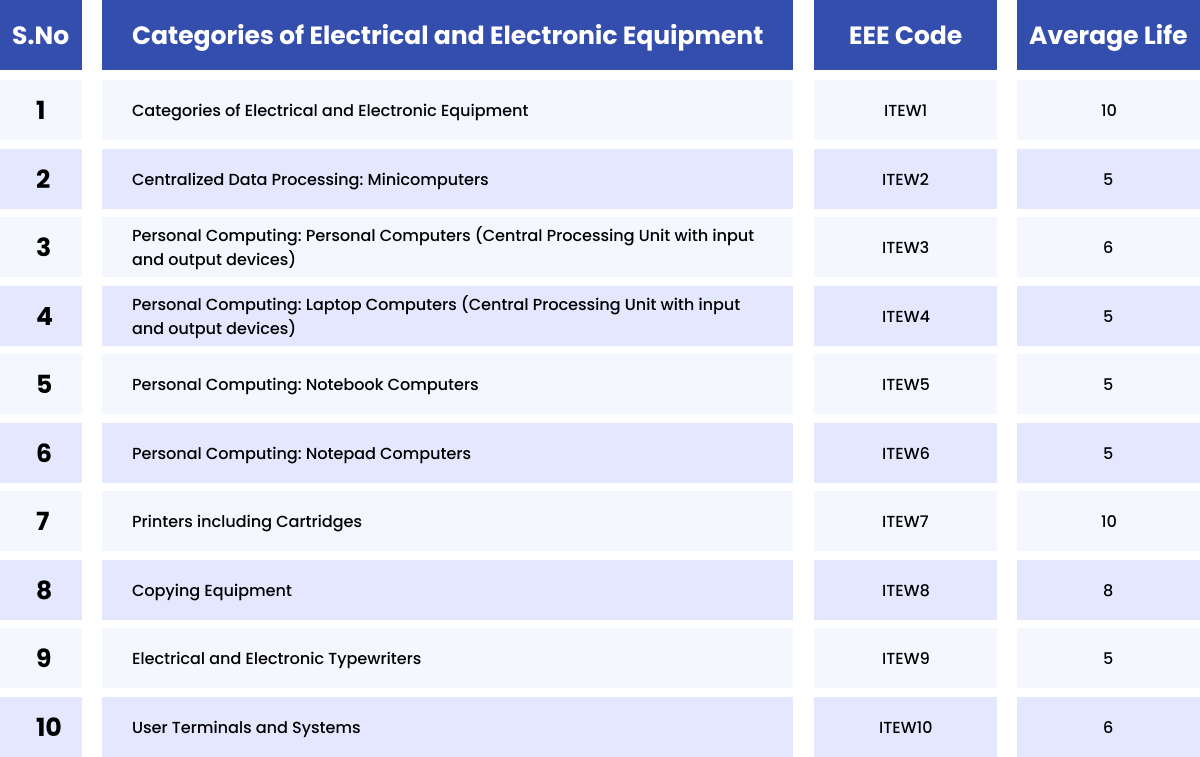
List of the products covered under E-waste Certification

Plastic Waste Certification

In India, the Central Pollution Control Board oversees regulations related to the plastic waste management. According to the Plastic Waste Management (PWM) Rules, any entity that introduces plastic waste into the market must obtain an Extended Producer Responsibility (EPR) certificate as mandated by the PWM Rules, 2016.

Under the new guidelines from the Central Pollution Control Board (CPCB), all entities operating in India that utilize plastic packaging—regardless of their turnover or scale—are required to apply for EPR certification based on their specific business activities.

Categories of Plastic Packaging Under EP

Category I

Rigid Package Plastic
Category II

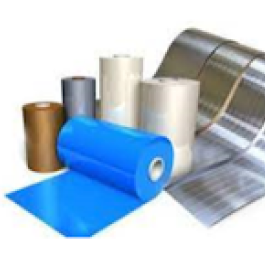
Flexible plastic packaging of single layer or multilayer (More than one layer with different types of plastic)

Category III

Multilayered Plastic Packaging (Atleast one layer of plastic & atleast one layer of material other than plastic)

Category IV

Plastic sheet or like used for packaging as well as carry bags made of compostable plastics.

Battery Waste Certification

To promote safe and environmentally friendly waste battery processing in India, the Ministry of Environment, Forests, and Climate Change has introduced the “Battery Waste Management Rules, 2022,” which replace the Batteries (Management and Handling) Rules, 2001.

These new regulations encompass all stakeholders involved in the lifecycle of batteries—including producers, traders, consumers, and establishments engaged in the collection, segregation, transportation, reprocessing, and recycling of waste batteries. They apply to all battery types, regardless of their chemistry, shape, volume, weight, material composition, or intended use, including electric vehicle batteries, portable batteries, automotive batteries, and industrial batteries.

A central online portal will be established for registration under these rules, facilitating the exchange of Extended Producer Responsibility (EPR) certificates between producers and recyclers thereby helping producers fulfill their obligations.

Additionally, the new rules mandate a minimum recovery percentage of materials from spent batteries and require the incorporation of a specified number of recycled materials in the production of new batteries. This framework is set to support the Indian government’s vision of a circular economy, making EPR compliance essential for all stakeholders involved.